World Sight Day 2026: what it is and why it matters
Every year on the second Thursday of October, the world turns its attention to sight.
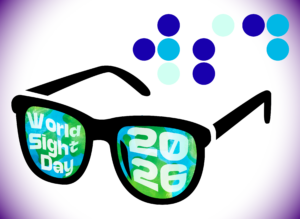
This year, World Sight Day falls on October 8, 2026, and the campaign is bigger than ever.
If you have not heard of it before, or if you want to understand what the day actually involves and how to get involved, this is a plain guide to the who, what, and why.
What is World Sight Day?
World Sight Day is an annual global event run by the International Agency for the Prevention of Blindness (IAPB). It has been running since 2000 and is now the single largest global awareness event for blindness and vision impairment.
The purpose is twofold: to draw public attention to the scale of preventable vision loss worldwide, and to push governments to commit more funding and policy support to eye care services.
The scale of the problem
The statistics are striking.
In the United States, around 12 million Americans aged 40 and over live with vision impairment, and approximately one million are legally blind. The number is expected to grow significantly as the population ages and conditions like diabetic retinopathy and glaucoma become more prevalent.
Globally, 1.1 billion people experience vision loss, and 90% of those cases are preventable or treatable. This devastating statistic makes clear that this is not purely a medical problem — it stems from a lack of funding, inaccessibility of treatment, and insufficient public awareness. The care exists. The question is who can reach it. This is why awareness days like World Sight Day, which bring mass attention to the issue, are so important.
You can find US-specific vision loss data through the American Foundation for the Blind and the CDC’s Vision and Eye Health Surveillance System.
The theme for World Sight Day 2026: Love Your Eyes
The 2026 campaign continues the IAPB’s ongoing #LoveYourEyes initiative, with the focus this year firmly on people: their stories, their lived experiences, and the collective voice that comes from sharing them.
The campaign has three main strands:
- Every Story Counts. The IAPB is inviting people to share their personal experiences of vision loss, eye health, and vision care to show why this matters at an individual level. You don’t have to give a dramatic recount. You just have to have a story.
- Five Million Pledges. Across five years of the campaign, 25 million people have pledged to Love Your Eyes. This year’s goal is five million more. The pledge is a simple commitment to take your eye health seriously, whether that means booking an eye exam you’ve been putting off, learning the symptoms of common eye conditions, or telling someone else to do the same.
- The Global Challenge. The IAPB is encouraging organizations, schools, workplaces, and community groups to get involved by running vision screenings and eye health events. New resources are available for educational and workplace settings.
What’s happening in the US
Prevent Blindness, one of the country’s leading vision health nonprofits, is marking World Sight Day 2026 with free vision screenings, public resources, and an advocacy push. Visit preventblindness.org to find events and screenings near you.
Later in the year, the inaugural Global Summit for Eye Health takes place on November 2, 2026 in Antigua and Barbuda, bringing together governments, clinicians, and advocacy organizations to set the agenda for global eye care over the coming decade.
What you can do today
A few simple things, none of which cost money:
- Schedule an eye exam if you haven’t had one in the last year or two. Many insurance plans cover annual eye exams, and free or low-cost exams are available through programs like EyeCare America and Vision USA for those who qualify.
- Make a pledge at iapb.org as part of the #LoveYourEyes campaign.
- Talk about it. The campaign’s central argument is that personal stories create collective pressure. Sharing your own experience of vision loss, or encouraging a friend to schedule an eye exam, is part of how change happens.
- Reach out to the AFB if you or someone you know is experiencing changes to their vision and doesn’t know where to start. The American Foundation for the Blind can help connect you with local resources: afb.org.
RealSAM and vision loss
At RealSAM, we work with blind and visually impaired people every day. RealSAM Pocket is designed specifically for people who can’t rely on a visual interface. One button, your voice, no screen to navigate.
World Sight Day is a reminder of how many people are navigating life with vision loss, and how much of that remains unseen by the rest of the world.
If you know someone who might benefit from what we do, you can find out more at realsam.us.